
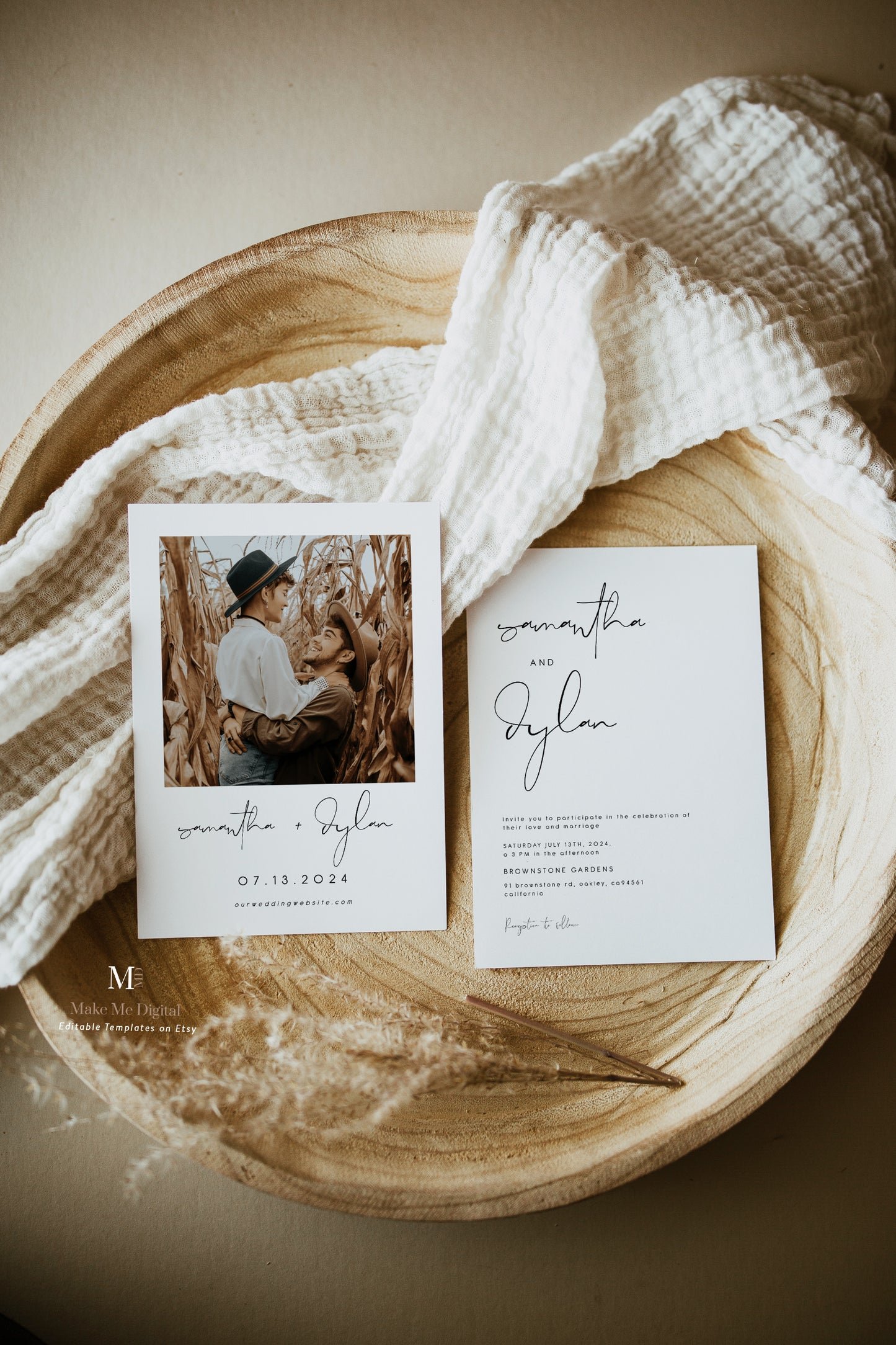
From Invitation to Memory: How to Build a Cohesive Wedding Identity
✨ Introduction
A wedding is not a one-day event — it is a layered experience built through intentional design decisions.
The difference between a “beautiful” wedding and a “memorable” one is not budget, but clarity and consistency of visual identity.
Every element — from the invitation to the bridal robe — must speak the same visual language.
🎨 1. Building the Visual Identity
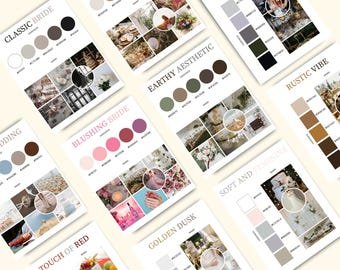
A wedding identity is not just a color — it is a system that includes:
- Color palette
- Typography
- Visual mood & photography style
How to define it:
Start with a simple question:
«Is your wedding soft and romantic, or bold and modern?»
Examples:
- Romantic: off-white + blush pink + gold
- Modern: white + black + silver accent
📌 Golden rule:
Any element that does not belong to this system — eliminate it, even if it looks good on its own.
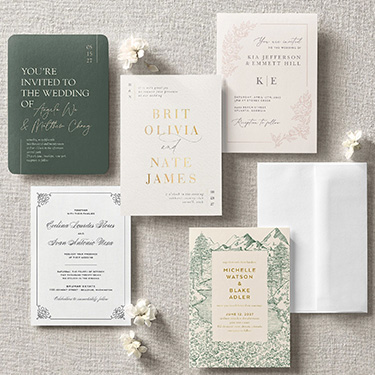
💌 2. Invitation Design
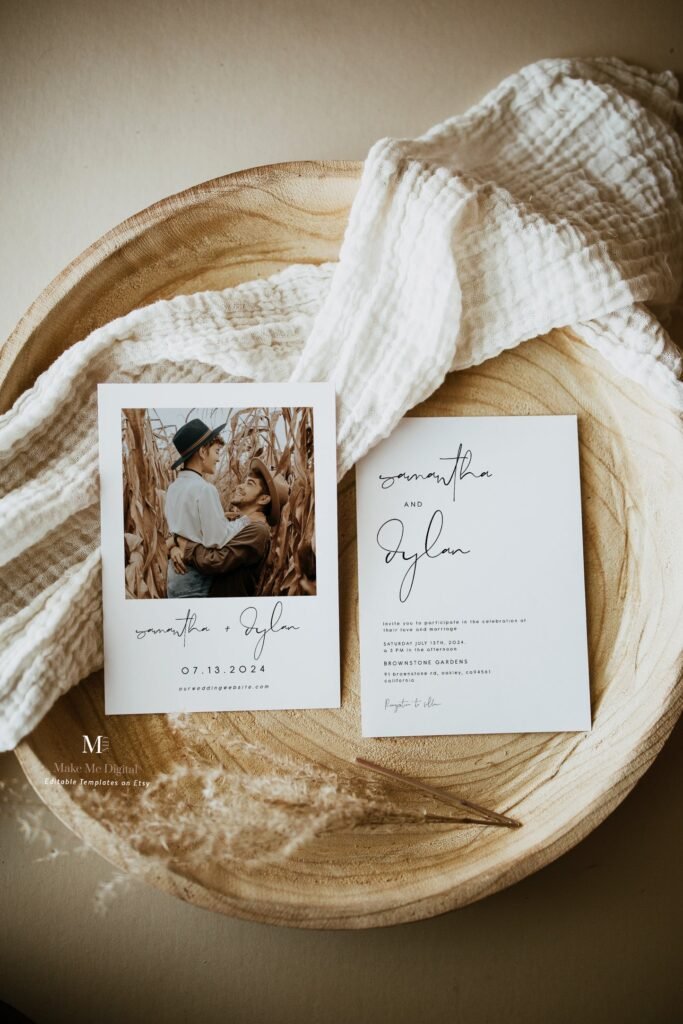
The invitation is the first point of contact between your guests and the event.
It sets expectations before anything else.
Professional invitation elements:
- Heavy paper (300gsm+)
- Clear, readable typography
- Intentional whitespace for elegance
Common mistakes:
- Overcrowded text
- Too many colors
- Decorative but unreadable fonts
📌 Strategic mindset:
An invitation is not just paper — it is a preview of a curated experience.
👘 3. Satin Bridal Robe
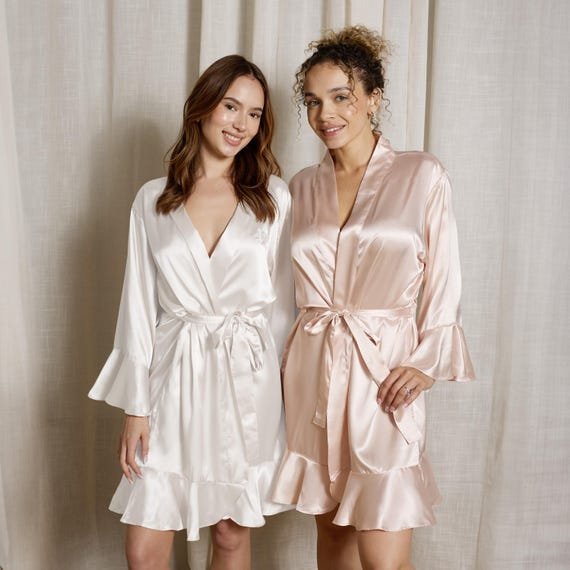
The bridal robe is no longer a secondary detail — it is part of the visual narrative.
Why it matters:
- Appears in “getting ready” photos
- Reflects the bride’s personality
- Creates a luxury feeling before the dress
Personalization options:
- Name
- Wedding date
- Typography style (classic / modern)
📌 Smart detail:
Match the robe color with your palette — not randomly.
👯♀️ 4. Bridesmaid Sets (Nedime Seti)
Matching sets are not only aesthetic — they structure the visual scene.
Includes:
- Coordinated robes or dresses
- Personalized names
- Colors aligned with the theme
Result:
- More professional photos
- Strong visual harmony
- Shared emotional experience
🎁 5. Micro Details
This is where weddings become unforgettable.
Examples:
- Personalized thank-you cards
- Branded gift packaging
- Seating cards with consistent design
📌 Core principle:
Guests may not consciously notice every detail — but they feel the consistency.
🧠 Professional Insight: Experience Psychology
The human brain does not remember isolated elements — it remembers overall feeling.
That feeling is built through:
- Repetition of colors
- Consistency of typography
- Unified visual language
Any break in consistency = break in experience.
🛒 Turning Design into Product (For Selling)
If you offer these services/products:
Convert each element into an offer:
- Custom invitations → “Designed to match your wedding identity”
- Satin robes → “Your name & date in premium finish”
- Bridesmaid sets → “Personalized sets for your entire bridal team”
📌 Don’t sell items — sell a complete, ready-to-live experience.
🔥 Conclusion
A successful wedding is not about quantity — it’s about unity of vision.
Every small detail, when intentionally designed, becomes part of a lasting memory.
🛒 Start building your wedding as an identity — not a checklist



Leave A Comment